
Introduction:
In the ever-evolving landscape of health and fitness, the spotlight has shifted from conventional gym workouts to a more holistic approach—Functional Fitness. As a lifestyle blogger passionate about promoting a healthy life, it’s essential to delve into the realm of Functional Fitness and understand its profound impact on real-life strength and agility.

Understanding Functional Fitness:
Functional Fitness is not just another buzzword in the health and fitness industry. It’s a philosophy that emphasizes training the body for activities performed in daily life. Unlike traditional workouts that isolate specific muscle groups, functional fitness engages multiple muscle groups simultaneously, mirroring the natural movements we perform daily. This approach not only builds strength but enhances overall agility and flexibility.
Real-Life Applications:
Functional Fitness is all about practicality. Imagine being able to lift your groceries with ease, climb stairs effortlessly, or play with your kids without feeling fatigued. These are the tangible benefits of functional fitness that transcend the confines of the gym. By mimicking real-life movements in our workouts, we prepare our bodies for the physical challenges life throws at us.
The Core Principles:
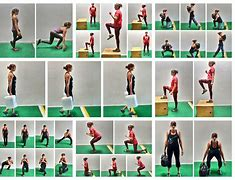
- Multi-Joint Movements: Traditional exercises often isolate muscles, but functional fitness focuses on compound movements that engage multiple joints. Squats, deadlifts, and lunges are prime examples that strengthen not just one muscle but an entire kinetic chain.
- Balance and Stability: Functional fitness places a premium on balance and stability. Exercises like single-leg squats or stability ball exercises force the body to stabilize itself, enhancing coordination and preventing injuries.
- Varied Movement Patterns: Life is dynamic, and so should our workouts be. Incorporating a variety of movement patterns ensures that the body adapts to different challenges, promoting a well-rounded level of fitness.
Workouts Tailored to Life:
Functional Fitness workouts are designed to be versatile and adaptable. Whether you’re an athlete, a busy professional, or a stay-at-home parent, the exercises can be customized to suit your lifestyle. From bodyweight exercises to functional training equipment, the options are diverse and can be tailored to any fitness level.
The Role of Nutrition:
A healthy life is not solely dependent on exercise; nutrition plays a crucial role. As a lifestyle blogger, it’s imperative to stress the symbiotic relationship between functional fitness and a balanced diet. Fueling your body with the right nutrients enhances performance, aids recovery, and contributes to overall well-being.
Championing Longevity:
Beyond immediate physical benefits, Functional Fitness is a key player in promoting longevity. By enhancing strength, flexibility, and agility, individuals are better equipped to maintain an active lifestyle well into their later years. This aligns seamlessly with the overarching theme of promoting a healthy life.
Overcoming Common Misconceptions:
As a lifestyle blogger, it’s essential to address common misconceptions surrounding functional fitness. Some may view it as an exclusive domain for athletes or fitness enthusiasts, but the reality is that it’s accessible to everyone. Tailored workouts, proper guidance, and a gradual progression make it suitable for individuals of all fitness levels.
Conclusion:
In the quest for a healthy life, functional fitness emerges as a beacon of practicality and sustainability. As a lifestyle blogger, championing this approach not only aligns with contemporary fitness trends but also resonates with the fundamental desire for a well-rounded, adaptable, and fulfilling life. Functional fitness isn’t just about building muscles; it’s about building a resilient and agile body that can tackle the challenges of real-life with ease. So, let’s embrace this paradigm shift in the fitness world and work towards not just looking fit but being functionally fit for life.

 Saba scribbles