
In today’s world, sustainability is not just a trend; it’s a necessity. As we become more aware of our impact on the environment, many of us are seeking ways to live greener lives, starting right in our own kitchens. Creating a sustainable kitchen is not only good for the planet but can also lead to healthier and more budget-friendly choices. In this blog post, we’ll explore some practical tips and tricks for transforming your kitchen into a hub of sustainability.

Reduce Food Waste
One of the biggest contributors to environmental waste is food that ends up in the trash. To minimize waste in your kitchen, plan your meals ahead, make a shopping list, and only buy what you need. Get creative with leftovers by repurposing them into new meals or freezing them for later use. Composting organic waste is another great way to reduce landfill waste and create nutrient-rich soil for your garden.
Choose Eco-Friendly Products
From reusable shopping bags and food containers to biodegradable cleaning supplies, there are plenty of eco-friendly products available to help you minimize waste in your kitchen. Invest in high-quality, long-lasting items such as stainless steel or glass food storage containers, bamboo utensils, and silicone food wraps. opt for products made from sustainable materials and avoid single-use plastics whenever possible.
Conserve Energy and Water
Making simple changes to how you use energy and water in the kitchen can have a big impact on your environmental footprint. Use energy-efficient appliances and cookware, such as induction cooktops and pressure cookers, to reduce energy consumption. When washing dishes, fill the sink or dishwasher with soapy water instead of letting the tap run continuously, and consider installing a low-flow faucet aerator to conserve water.
Support Local and Organic
Choosing locally sourced and organic foods is not only better for the environment but also for your health. Shop at farmers’ markets or join a community-supported agriculture (CSA) program to access fresh, seasonal produce grown without synthetic pesticides or fertilizers. Buying local also reduces the carbon footprint associated with transporting food long distances.
Embrace Plant-Based Eating
Incorporating more plant-based meals into your diet is a sustainable choice that can benefit both your health and the planet. Plant-based foods require fewer resources to produce compared to animal products and have a lower environmental impact. Experiment with meatless Monday dinners or try swapping out meat for plant-based alternatives in your favorite recipes.
Grow Your Own
If space allows, consider starting a small herb garden or growing your own fruits and vegetables at home. Not only is gardening a rewarding hobby, but it also allows you to have fresh, organic produce right at your fingertips. Even if you don’t have a green thumb, herbs like basil, mint, and rosemary are easy to grow indoors on a sunny windowsill.
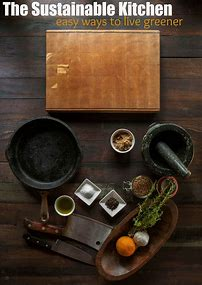
By incorporating these tips and tricks into your kitchen routine, you can take meaningful steps towards creating a more sustainable home. Remember, every small change adds up to make a big difference in preserving our planet for future generations. Let’s all do our part to make our kitchens—and our world—a little greener.

 Saba scribbles