
What the Protest Is Actually About
The demonstrations currently underway at Jantar Mantar began as an online movement in May 2026, started somewhat unexpectedly as political satire after the Chief Justice of India used the words “cockroaches” and “parasites” to describe unemployed youth and social media activists. The phrase struck a nerve, and the online movement calling itself the Cockroach Janta Party quickly grew into an offline sit-in at Jantar Mantar, a site long designated for public protest in Delhi.
The movement gained serious national attention after a Ladakhi environmentalist and education activist, Sonam Wangchuk, joined the protest in late June and began an indefinite hunger strike, demanding the resignation of the Education Minister over what protesters describe as serious failures in India’s examination system. The demonstration has since drawn students, young professionals, and families, and has become one of the more significant youth-led public challenges to the government in recent years.
The situation has grown tense in recent days. Police recently removed barricades at the site and moved Wangchuk, and a march toward Parliament was met with tear gas and lathi charges, resulting in a large number of injuries. Protesters have said they intend to remain at the site until their demands are addressed.
If you are considering attending, it is worth going in with clear eyes about where things currently stand, not just where they started.
What to Carry
Valid ID and a photocopy separate from the original. Carry your Aadhaar card or another valid photo ID, and keep a photocopy in a separate bag or with someone not attending with you. If your original is lost or taken, you still have proof of identity available.
Water, more than you think you need. Standing for long hours in Delhi’s July heat is genuinely draining even without factoring in a tense situation. Carry at least one large bottle, and know where you could refill it near the site.
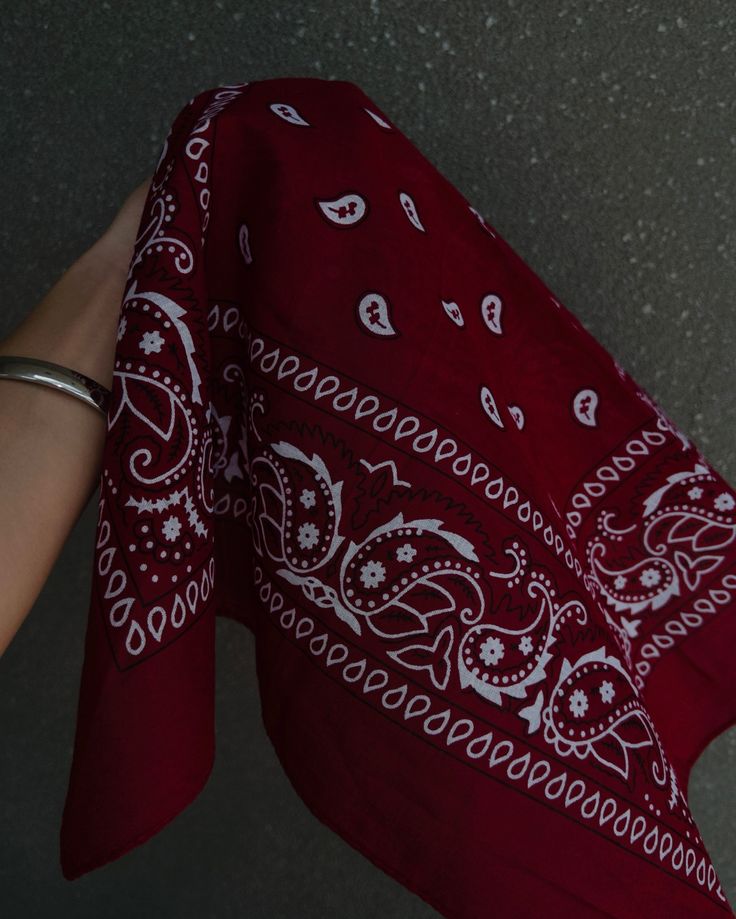
A cloth mask or bandana, and a small bottle of water separate from your drinking water. Given the recent use of tear gas at this specific protest, a wet cloth held over the nose and mouth is one of the most basic and effective things you can do if that happens again. Keep this water bottle purely for that purpose, not mixed in with what you are drinking.
Comfortable, closed shoes. Not sandals or heels. You may need to move quickly, and standing for hours is hard enough without foot pain added to it.
A small first aid kit: Band-aids, an antiseptic wipe, and any personal medication you take regularly. Do not assume you will be near a pharmacy if something minor comes up.
Cash, not just cards. Network congestion during large gatherings can make digital payments unreliable, and some stalls or autos nearby may not accept cards at all.
A fully charged phone and a power bank. Your phone is your way to contact people, check updates, and call for help if needed. Do not let it die halfway through the day.
Written emergency contact information, on paper. A small card in your pocket with an emergency contact name and number, in case your phone is lost, damaged, or dies.
Light, breathable clothing that covers your skin. Full sleeves and full-length bottoms offer some protection from sun exposure over a long day, and from minor exposure to irritants if things get chaotic.
Safety Measures Worth Taking Seriously
Tell someone where you are going and roughly when you plan to return. A friend or family member not attending should know your plan and check in with you at agreed points during the day.

Go with at least one other person. Do not attend alone, particularly given the current situation. Stay together, and agree in advance on a meeting point if you get separated.
Know your exit routes before you need them. When you arrive, take a few minutes to actually look at how you would leave the area from wherever you are standing, rather than figuring it out under pressure.
Stay at the edges rather than the dense centre of a large crowd. Crowd crush is a real risk at any large, tightly packed gathering, independent of anything else happening. Position yourself where you have room to move.
If tear gas is used, do not run blindly. Move calmly in the direction away from the source, cover your nose and mouth with the wet cloth, and try to get to open air. Rubbing your eyes makes irritation worse; blink and let tears clear it naturally where possible.
Avoid confrontation with police or counter-protesters directly. Regardless of how you feel about what is happening, de-escalating and moving away from direct confrontation protects you first. Document from a distance if you want to record something, rather than getting physically close to a tense interaction.
Know that arrest or detention, while uncommon for most attendees, is a real possibility at a large, tense demonstration. Have a friend or family member’s number memorised, not just saved in your phone, in case you cannot access your phone.
Consider your own personal risk factors honestly. If you have a respiratory condition, are pregnant, or have young children with you, attend for a shorter window rather than a full day.
A Last Practical Note
Protests are how a lot of meaningful change has happened, and showing up matters to a lot of people for real reasons. It is also completely reasonable to care about a cause and still make a careful, informed decision about how, when, and whether you personally attend in person, especially while a specific situation is actively unfolding rather than settled. Neither choice needs justifying to anyone else.


