

Most plant-based skincare content online is really just a product catalogue with the word natural attached to it. Bakuchiol serums, seaweed extracts, and a coupon code are mentioned halfway through the article. None of it accounts for Mumbai humidity turning a perfectly good routine into a sweaty, clogged mess by 11 am, or the fact that half the ingredients being marketed as revolutionary are sitting in most Indian kitchens right now.
This is the plant-based routine that has actually worked for me, built around things I already had before I ever called it a routine.
Why Plant-Based Looks Different in Indian Weather
A routine built for a dry, cold climate does not translate well to Mumbai’s humidity. Heavy oils and rich creams that suit someone in a drier climate often just sit on top of the skin here and attract more sweat and grime through the day. Plant-based does not have to mean heavy. In this climate, it usually works better with light, quick to absorb, and focused on control rather than deep richness.
Morning Routine
Step 1: Cleanse with besan. Mix besan with a small amount of raw milk or water into a thin paste. Benefit: Lifts oil and grime without stripping skin the way a harsh foaming cleanser can.
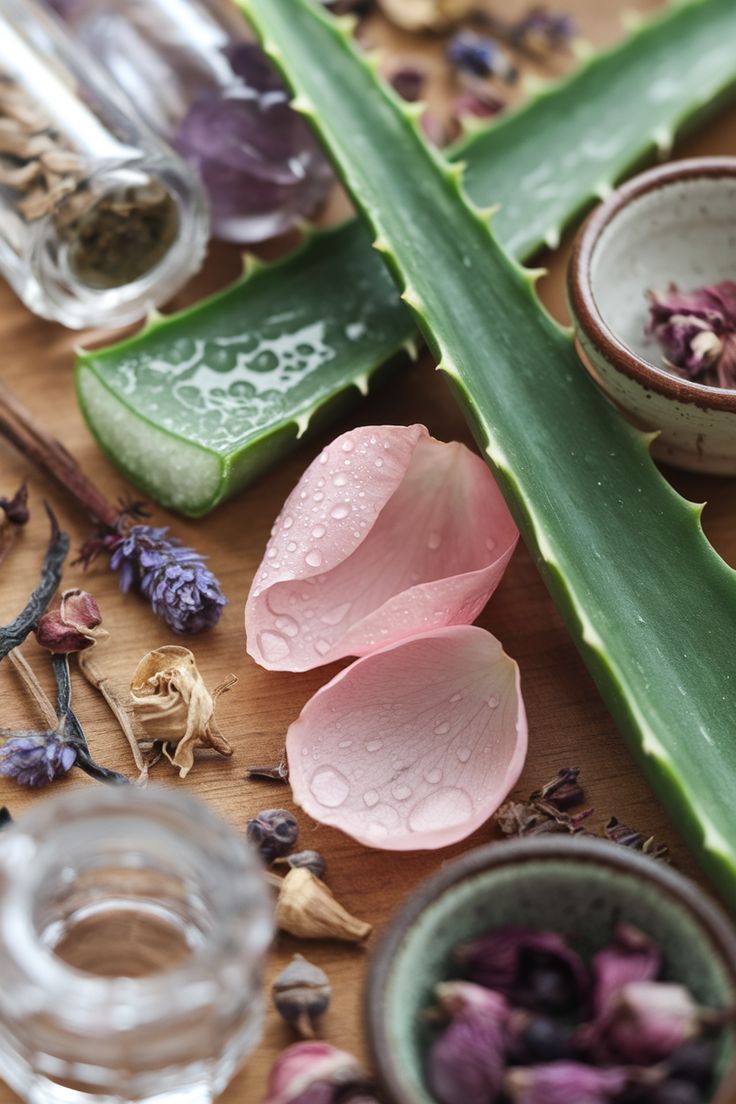
Step 2: Apply aloe vera gel. Use a light layer, fresh from the plant if you have one on your balcony, or a simple store-bought version with minimal added ingredients.
Benefit: Absorbs quickly and gives just enough hydration without leaving skin greasy under makeup or through a humid commute.
Step 3: Apply sunscreen. Non-negotiable, and not optional just because everything else in the routine is plant-based.
Benefit: no amount of natural ingredients replaces sun protection in the Indian sun.
Midday Reset
Step 1: Spritz rose water.
Benefit: resets the skin without removing sunscreen, cools things down, and takes the shine off without the heavy blotting powder most people reach for instead.
Step 2: Dust with multani mitti (if needed). If your skin tends to break out throughout the day, press a very light dusting of multani mitti powder on with a damp cotton pad in oily areas.
Benefit: absorbs excess oil quickly without needing a full wash.
Evening Routine
Step 1: Double cleanse. Start with a plant-based oil, coconut or jojoba works well, massaged into the skin to lift sunscreen and makeup, then follow with the same besan cleanse from the morning.
Benefit: clears the day’s sunscreen, pollution, and sweat properly, especially important on heavier makeup or high pollution days.
Step 2: Turmeric and honey mask (2 to 3 times a week) Mix turmeric and honey into a thin paste and apply as a mask.

Benefit: Turmeric helps with inflammation, and honey keeps things hydrated, making it gentle enough for most skin types when used in moderation.
Step 3: Light moisturiser. Use aloe again.
Benefit: Less is genuinely more in this climate, since overloading skin with rich oils overnight in Mumbai heat tends to clog rather than nourish.
As a mom of four, it is difficult to get time for big skincare routines, and here these small habits and natural ingredients come in handy. You can check my post on self-care tips for mom for a small road map on such busy days.
What to Actually Skip
Plant-based does not mean everything botanical works for every skin. Heavy essential oils applied directly and undiluted can irritate skin faster than anything synthetic, especially in heat and sweat. Coconut oil, while excellent for hair, can be too heavy and pore-clogging for some skin types when used as a daily face moisturiser here. Patch test anything new, plant-based or not, before it becomes a daily step.
FAQ
Is plant-based skincare actually suitable for humid Indian weather?
Yes, but the products need to be lighter and used in smaller amounts than routines built for drier climates. Gel-based and water-based plant ingredients tend to work better than heavy oils for most of the day here.
What kitchen ingredients work best for a plant-based skincare routine?
Besan, aloe vera, turmeric, honey, rose water, and multani mitti are all genuinely effective and widely available.

How often should I use a turmeric and honey mask?
Two to three times a week works well for most skin types. Daily use can be too much for sensitive skin, since turmeric can be quite potent even in a gentle, plant-based form.
Does plant-based skincare still need sunscreen?
Yes, always. No natural or plant-based ingredient replaces sun protection, and skipping sunscreen undermines every other step in a plant-based routine.
A plant-based skincare routine does not need to come from a serum aisle or a brand with a coupon code attached. For Indian skin dealing with actual Indian humidity, the most effective routine is often the one already sitting in your kitchen, used consistently and adjusted for how heavy this weather actually lets skin breathe.


