

My teenager recently picked up my toner and asked what it was for. And instead of a simple answer, what followed was a twenty-minute conversation about skincare, what actually works, what is completely unnecessary, and why buying a retinol serum at fifteen because someone on Instagram recommended it is a spectacular way to ruin your skin barrier.
That conversation is essentially this blog post. Because if your teenager is starting to notice their skin and asking questions, the best thing you can do is point them toward something simple, honest, and actually suited to teenage skin rather than letting the algorithm decide their routine for them.
Why Teenage Skin Needs Its Own Approach
Teenage skin is going through a lot. Hormones increase oil production, which leads to clogged pores and breakouts. The skin is also more sensitive and reactive than it will be in adulthood, which means products that work brilliantly for a twenty-five-year-old can be genuinely too harsh for a fifteen-year-old using them for the first time.
The biggest mistake most teenagers make with skincare is doing too much. A ten-step routine borrowed from a skincare influencer, a mix of actives that should not be used together, and harsh scrubs used daily in the hope of clearing acne faster. All of this disrupts the skin barrier and usually makes things worse before they get better.
The goal for teenage skin is simple: keep it clean, keep it hydrated, protect it from the sun. That is genuinely it for most beginners.
The Basic Routine: Morning
Step 1: Cleanser
A mild, gentle face wash used twice a day is the foundation of any teenage skincare routine. Look for something that does not foam aggressively or leave the skin feeling tight after washing; that tight feeling means it has stripped too much. For oily or acne-prone skin, a salicylic acid-based face wash used once a day can help, but it does not need to be used both morning and night.
Avoid anything with harsh physical scrub particles, as they cause micro tears in the skin and spread bacteria rather than clearing anything.
Step 2: Moisturiser
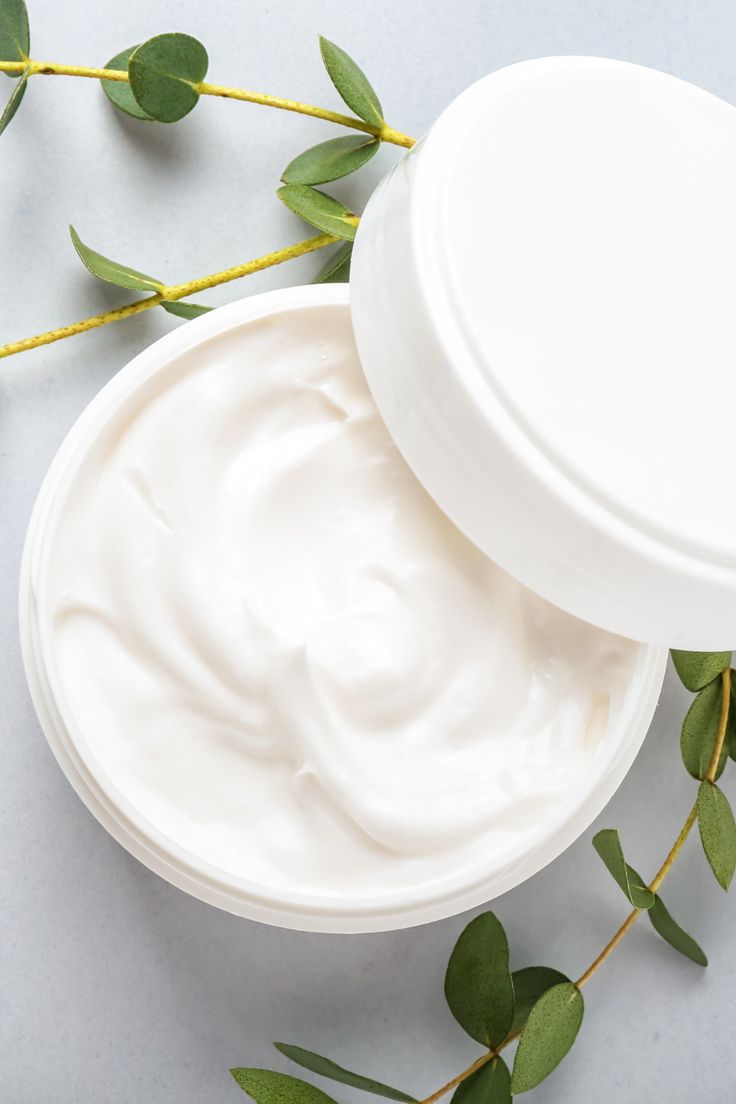
This is the step most teenagers should not skip, even with oily skin. When skin is stripped of moisture, it compensates by producing more oil, which is the opposite of what anyone wants. A lightweight, non-clogging gel moisturiser works beautifully for oily and combination skin.
Step 3: Sunscreen
This is the most important step in any skincare routine, at any age, and it is the one that teenagers are most likely to skip because the damage is invisible for years. India’s UV index is high for a significant portion of the year, and sun damage accumulated in teenage years shows up as pigmentation, uneven skin tone, and premature ageing much later.
A lightweight SPF 30 or SPF 50 that does not leave a white cast is non-negotiable as the last step in the morning routine. There are plenty of good options available at every price point in India now.
The Basic Routine: Night
Step 1: Cleanser
The same gentle face wash from the morning routine. At night, it removes the day’s pollution, sweat, and sunscreen, so it is arguably the more important cleanse of the two.
Step 2: Moisturiser
The same lightweight moisturiser, or a slightly richer one at night if the skin feels dry. Night is when skin does most of its repair work, so keeping it hydrated helps that process along.
That is the entire routine. For a complete beginner, this is everything they need.
What to Add Later, Once the Basics Are Consistent
Once a simple routine is working consistently for two to three months, you can think about adding one targeted product if there is a specific concern.
For acne: a spot treatment applied only to affected areas, not all over the face. For pigmentation or uneven skin tone: a vitamin C serum in the morning, applied before sunscreen. For texture: a gentle chemical exfoliant used once or twice a week at night, not every day.
What teenagers should not be using: retinol, strong acid peels, high-concentration actives of any kind. These are not appropriate for young skin that is still developing, and they cause more harm than they prevent at this stage.
The Habits That Matter as Much as the Products
Skincare is only part of the picture for teenagers, and honestly, not even the biggest part. Drinking enough water, sleeping enough, and not touching your face constantly make a visible difference to skin health that no product can fully compensate for.
Picking at pimples is the single fastest way to turn a small breakout into a scar. On Indian skin tones specifically, post-inflammatory hyperpigmentation, the dark marks left after a pimple heals, can take months to fade and are almost entirely avoidable if the pimple is left alone.

Changing pillowcases regularly, keeping phone screens clean, and tying hair back when sleeping are small habits that quietly reduce the amount of bacteria and oil reaching the face overnight.
A Note for Moms Reading This
If your teenager is asking about skincare, that is actually a good opening. I have written about finding ways into real conversations with teenagers in my parenting teenagers post, and skincare turned out to be an unexpectedly easy one in our house. It is practical, low stakes, and it gives you a chance to talk about self-care and looking after yourself in a way that lands without sounding like a lecture.
Help them build something simple. Resist the urge to hand over your own products, because adult skin and teenage skin have genuinely different needs. And let them own the routine, because a three-step routine they do consistently will always beat a ten-step routine they abandon in two weeks.
Simple, consistent, and suited to the skin they actually have. That is the whole brief.


2 Comments Add yours