
Can we just agree that nobody warns you about this part? When they are tiny, every parenting book prepares you for the sleepless nights, the tantrums, the “why” phase that never ends. But nobody sits you down and says, “Hey, one day this small person who used to hold your hand across every road is going to look at you like you have just said the most embarrassing thing in the history of human speech, and you will not know what hit you.”
Welcome to the teenage years. I have one teenager in the house right now, with two more rapidly approaching, and I can tell you with full confidence that it is a completely different game. A game where the rules change without warning, and your opponent suddenly knows everything.

First, Understand What is Actually Happening
Indian parents have a tendency to look at teenage behaviour and immediately frame it as disrespect, rebellion, or ingratitude. Sometimes it is those things. But more often, what you are watching is a brain that is quite literally under construction.
Your teenager is not trying to make your life difficult. They are trying to figure out their own life, and doing it loudly, awkwardly, and often at the worst possible time. Remembering this does not make every moment easier, but it does stop you from taking it all personally.
Stop Treating Every Conversation Like a Lecture
This one is for every Indian parent who has ever started a sentence with “In our time…”, including me.
Teenagers shut down the moment they sense a lecture coming. You can almost see it: the eyes glaze over, the shoulders drop, and whatever you say next lands in a void. Ask genuine questions, not trap questions disguised as questions.
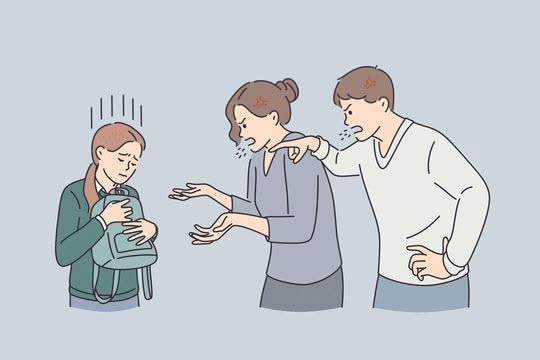
“How was your day?” is fine. “How was the test? Did you study enough? I hope you didn’t waste time on your phone” is not a question. That is a judgment with a question mark at the end.
Pick a moment when neither of you is already stressed. The car works surprisingly well for this, because nobody has to make eye contact. Some of the best conversations I have had with my teenager have happened during a drive to tuition.
The Board Exam Pressure is Real, and We Are Making It Worse
The pressure around Class 10, Class 12, engineering entrances, and medical seats, it is enormous, and most of it falls on teenagers who are already managing a hormonal and social tidal wave. This pressure on them does not mean you do not care about their education. It means you separate the conversations. Be genuinely interested in their learning, not just their marks. Ask what subject they actually enjoy. Celebrate effort as loudly as you celebrate results. And if your teenager is struggling, find out why before you find out what grade they got.
Social Media is Not the Enemy, Ignorance Is
Every parent I know has some version of the same complaint: too much screen time, too many reels, too many hours lost to whatever the algorithm recommended next. Valid. All of it valid.
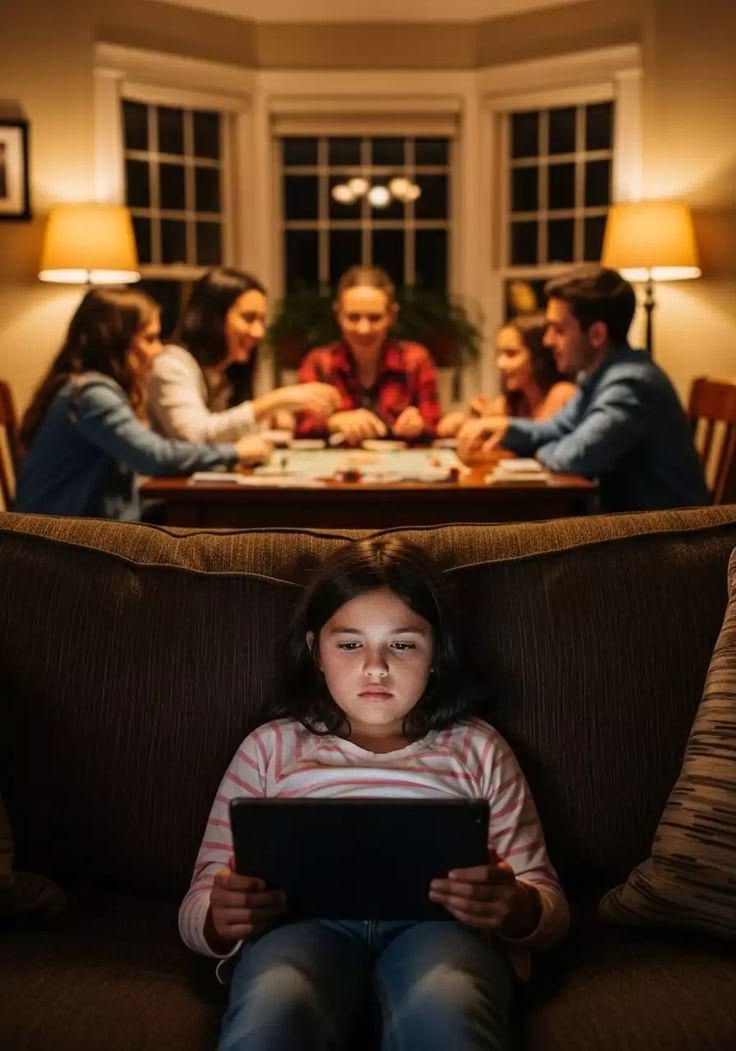
But banning phones does not make teenagers less interested in the internet. It makes them more secretive about it. A far more effective approach is to stay curious rather than combative. Watch a YouTube video they recommend. Ask what they find funny. Set boundaries that are discussed, not just declared. A phone-free dinner table is reasonable. Phones out of the bedroom after a certain time is reasonable. “I am taking your phone, and that is final”, usually ends with a smuggled second device and a relationship that just took three steps backwards.
The goal is not control. The goal is trust.
Talk About the Things That Feel Uncomfortable to Talk About
Indian households are excellent at silence on certain topics. Relationships, mental health, bodies, identity. And teenagers, who are navigating all of these things at once, learn very quickly that these are topics to figure out alone or with friends.
The problem is that friends are also sixteen and are also figuring it out. This is not a reliable information source.
You do not have to have all the answers. You just have to be a parent who does not panic when the question comes. The stigma around therapy in India is slowly reducing, but there is still a long way to go. If your teenager is withdrawn, irritable beyond the normal range, losing interest in things they used to love, or sleeping far more or less than usual, take it seriously. These are not phases to wait out. They are signs to pay attention to.
Pick Your Battles, Truly
The messy room, the music you do not understand, the outfit that seems like too much or too little, the haircut that made you do a double-take. Not everything is worth a confrontation.
Every unnecessary argument you have with a teenager depletes the goodwill account you need when it actually matters. Save your energy and your authority for the things that genuinely affect their safety, their character, and their well-being. Let the rest go with a sigh and a quiet acceptance that you also once wore something your mother hated.
The Thing Nobody Tells You

The teenage years, for all their noise and friction, are also when your child starts becoming a real person you can have actual conversations with. My teenager has opinions now, about the world, about people, about things happening around them, and some of those opinions are genuinely interesting. Some of them are also completely wrong, but that is a different post.
The relationship you build during these years is the one that carries forward into their adult life. That is worth getting right.
Be patient with them. Be patient with yourself. And on the days when you have said all the wrong things and slammed a door (figuratively, obviously), remember that tomorrow is a completely new attempt.
If you are navigating this alongside me, I would love to know what has worked for you. Drop it in the comments. We are all trying to figure this out as we go.


5 Comments Add yours