
Four kids. One house. One me.
I did not plan to become someone who has strong opinions about meal prep containers and the exact correct way to label school bags. Life just took me there, one chaotic Tuesday at a time.
These are not Pinterest hacks. I do not have a colour-coded pantry or matching storage baskets in every room. What I do have is a loose collection of things that genuinely make life with four kids more manageable, and I am sharing them here because I suspect I am not the only one who needed someone to just tell them what actually works.
1. Make One System.
The single biggest shift for me was moving from managing each child individually to building one household system that everyone operates within. A shared morning routine, fixed homework slots, and a dinner time that does not move. When the structure is consistent, you spend less time managing resistance and more time just living inside the day.
Put the routine somewhere visible, a whiteboard, a printed sheet on the fridge, anything. Even young children settle faster when they know what comes next without having to ask you.
2. Batch Everything You Can
Cooking every night from scratch with four children underfoot is a choice, but it is not the only choice. On Sunday evenings, I put on a podcast and chop vegetables, cook a large pot of dal or rajma, and prep snack boxes for the first few days of the week. It takes about an hour, and it quietly saves me forty-five minutes every weekday evening.
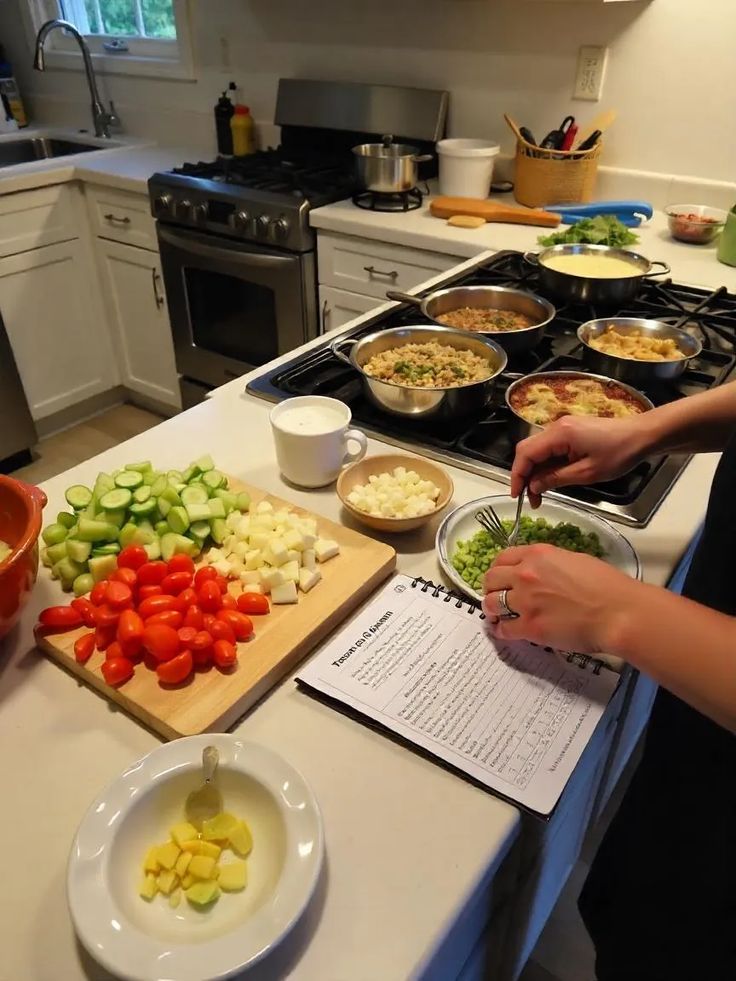
The same logic applies to laundry, to packing bags, to filling up school supplies. Doing one thing in bulk is almost always faster than doing it four times across four separate moments of the day. If you are looking for easy plant-based meals that batch well, I have written about a few in my plant-based recipes post and dal and chana masala are genuinely the best things to cook in large quantities.
3. Assign Jobs Early and Stick to It
My children have chores. Not as punishment. As participation. Even the youngest one has a job, it is small and occasionally done wrong, but it is theirs.
Older children can pack their own bags, sort their own laundry, clear the table, and be responsible for their school files. Teenagers in particular need something to own in the household, both because it is good for them and because it is genuinely helpful for you. If you are navigating the teenage years alongside younger siblings in the house, I wrote about that specific balancing act in my parenting teenagers post, and the chore conversation comes up there, too.
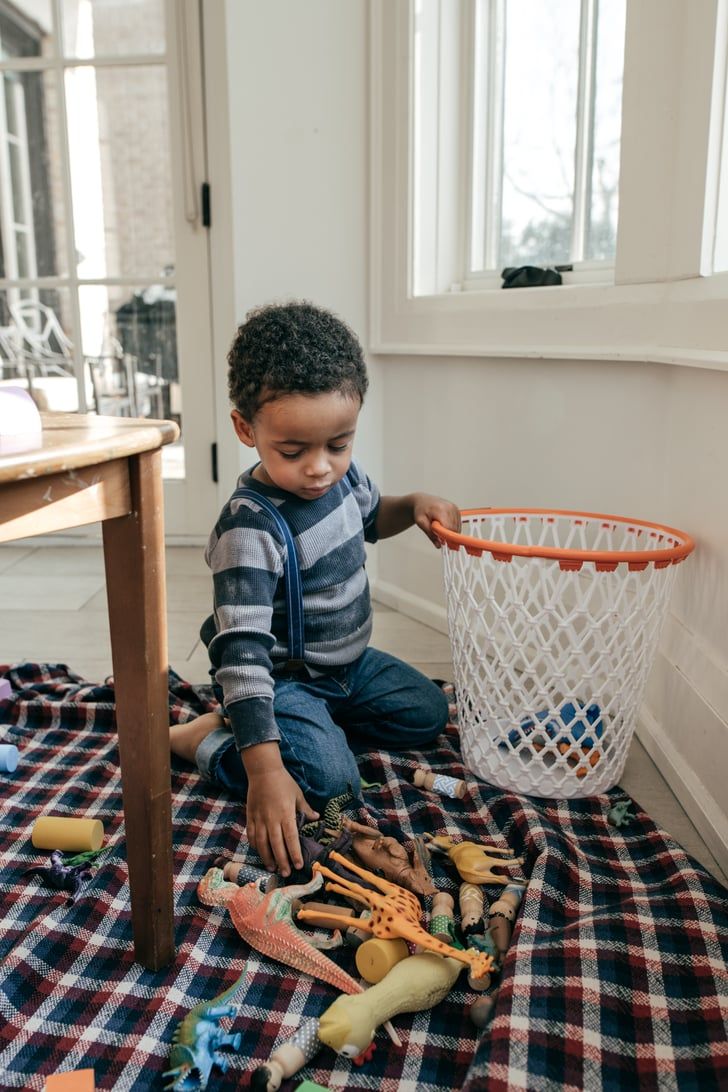
Start young, keep expectations age-appropriate, and resist the urge to redo what they have done imperfectly. Imperfection and independent is better than perfection and dependence every single time.
4. Have a Landing Zone for Everything
In a house with four children, things disappear constantly. Water bottles, pencil boxes, library books, sports shoes, and that one specific hair tie that is apparently irreplaceable. The only system that has worked for us is a dedicated landing zone near the front door, where everything that needs to leave the house tomorrow lives the night before.
Bags were packed and placed there. Shoes out. Anything that needs to be returned to school or a friend’s house goes in the zone. It sounds basic, but the amount of panic it eliminates in the morning is disproportionate to how simple it is to set up.
5. Protect One Pocket of Time That is Yours
This is the one I resisted the longest because it felt selfish, and I want to say clearly that it is not selfish; it is structural. You are the person this whole operation runs on. If you are running on empty, the system slows down for everyone.

My pocket of time is early morning, before anyone else wakes up. Sometimes it is twenty minutes, sometimes it is forty. I make chai, I do my skincare, I sit with my thoughts, or I write. I wrote about building a self-care routine that actually fits into a full life in my self-care post for moms, and the core of it is this: find one pocket and protect it like it matters, because it does.
6. Lower the Bar on Some Things Deliberately
Not everything deserves your full effort every day. The house does not need to be spotless; it needs to be functional. Dinner does not need to be elaborate; it needs to be eaten. The birthday cake does not need to be homemade if you are already running on two hours of sleep.
Choosing what to do well and what to do adequately is not laziness. You have four children, which means four times the logistics, four times the emotional needs, four times the appointments, permissions and conversations. Distribute your energy accordingly.
7. Get Out Together Regularly
A family that gets out of the house together, even for something small, resets everyone’s mood in a way that staying home rarely does. A beach, a park, a short drive, a weekend trip somewhere close.

I have noticed that the weeks we make an effort to do something together outside the house are noticeably easier than the weeks we do not. Everyone is a little lighter, a little less in each other’s way, a little more patient. I wrote about easy weekend getaways from Mumbai for families, and several of them are specifically manageable with multiple children in tow.
8. Talk to Your Kids, Not Just About Logistics
This is the one that sneaks up on you when you have a large family. So much of the daily conversation becomes functional: who has what when, did you eat, where are your shoes, stop fighting, because there is simply so much to coordinate.
Make a deliberate effort to have at least one non-logistical conversation with each child every day. Even a short one. What made you laugh today? What are you looking forward to? What is bothering you? It does not take long, but the accumulation of it over time is what keeps you connected to who your children actually are, rather than just managing their schedules.
The circus is not going anywhere. But a well-run circus is a completely different experience from a chaotic one, and most of the difference comes down to a few small systems done consistently.
You are doing more than you think. On the hard days, especially, that is worth remembering.


3 Comments Add yours