
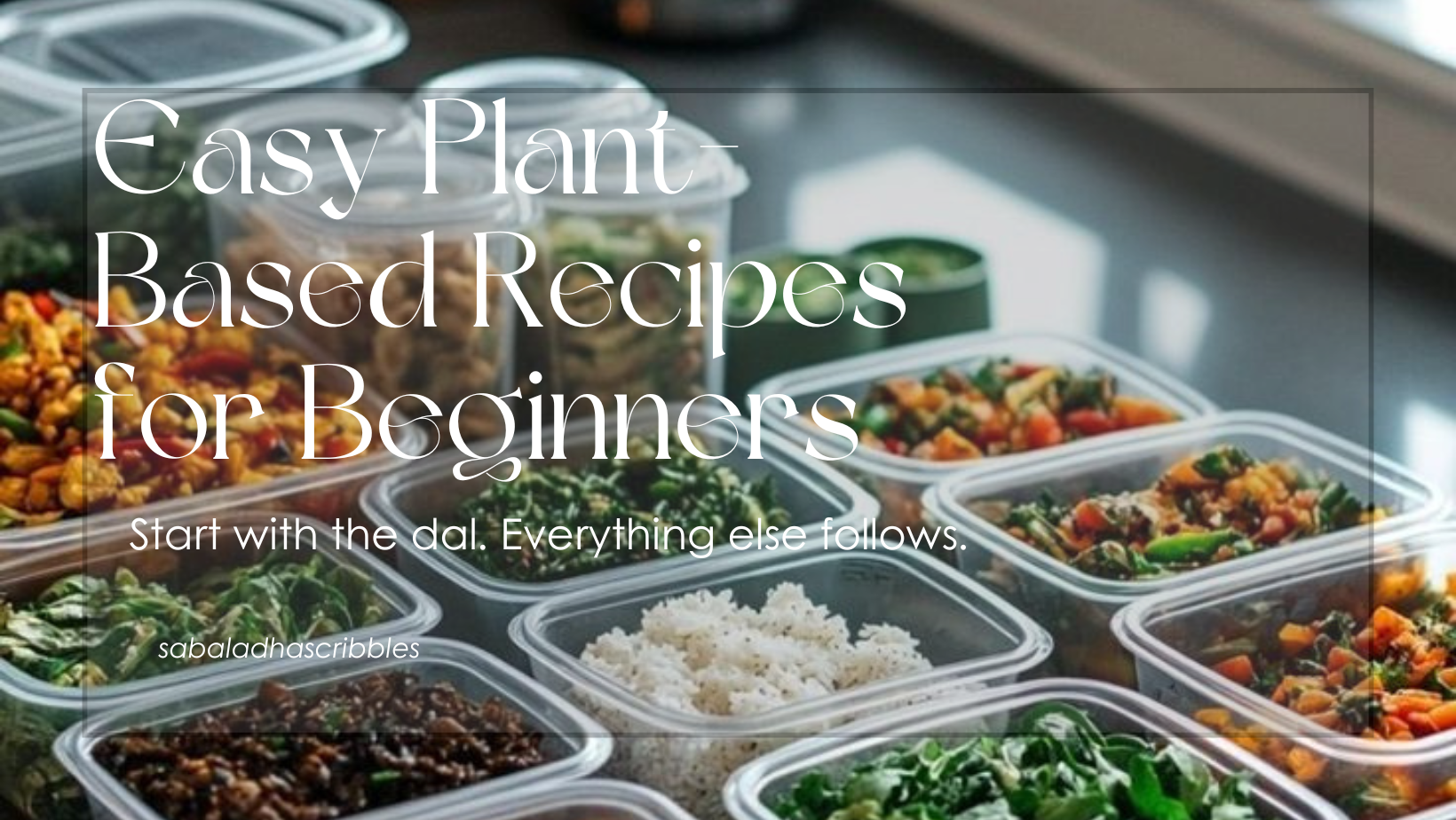
Let me be honest with you upfront. I am not a vegan. I am not even fully vegetarian on most days. But somewhere between reading too many things about what we eat and noticing how sluggish certain meals made me feel, I started experimenting with plant-based cooking, not as a lifestyle overhaul, just as a quiet shift in how I approached a few meals a week.
And what surprised me most was how much of it felt completely familiar. Because here is the thing about Indian cooking that nobody in the Western plant-based conversation seems to notice: we have been doing this for centuries. Dal, sabzi, rajma, chhole, poha, idli, a massive chunk of what Indian kitchens cook every single day is already plant-based without trying to be.
So if you are a beginner who is curious but slightly terrified of giving up everything you love, this is a good place to start. These are recipes that use ingredients you already have, techniques you already know, and flavours that do not require you to pretend tofu tastes like chicken.
What Plant-Based Actually Means for Beginners
Plant-based simply means meals built around vegetables, legumes, whole grains, nuts, and seeds, with animal products reduced or removed. It does not mean raw food only. It does not mean expensive superfoods. It does not mean sad salads.
For Indian beginners especially, the shift is smaller than it sounds because our cuisine already leans heavily on lentils, vegetables, and grains. You are not starting from scratch. You are just paying more attention to what is already on your plate.
1. Masoor Dal With Tadka
If there is one plant-based recipe that requires zero adjustment from an Indian kitchen, it is masoor dal.
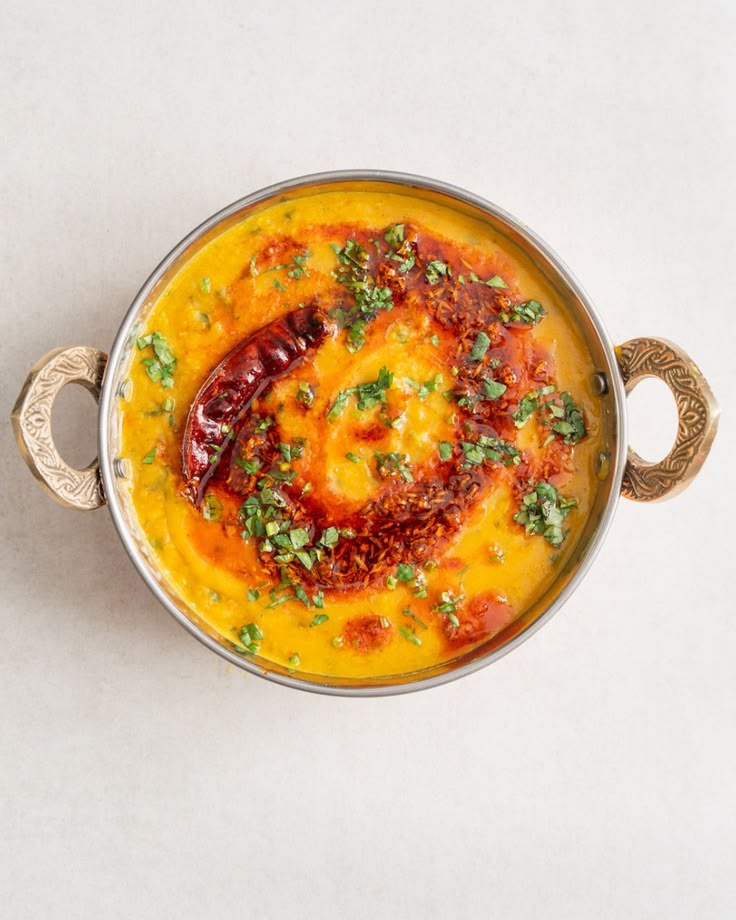
Cook one cup of masoor dal with turmeric and salt until soft. For the tadka, heat oil in a small pan and add mustard seeds, cumin, a dried red chilli, finely chopped onion, garlic, and tomato. Cook until the tomato breaks down, then pour it over the dal and finish with a squeeze of lemon and fresh coriander.
Eat it with rice or roti. It is complete, it is nourishing, and it is the kind of meal that makes you wonder why you ever thought plant-based cooking would feel like deprivation.
2. Chana Masala
Chickpeas are one of the best plant-based proteins available, and chana masala is the kind of dish that genuinely satisfies in a way that lighter plant-based meals sometimes do not.
Use canned chickpeas if you want to keep it quick. Sauté onions until deeply golden, add ginger garlic paste, chopped tomatoes, and your spice mix, cumin, coriander, chilli powder, garam masala, and a little amchur for tang. Add the chickpeas, a splash of water, and let it all come together on a low flame for fifteen minutes. The depth of flavour here comes from the onions and the slow simmer, not from anything complicated.
This also reheats beautifully, which means it is genuinely useful for busy weekday lunches.
3. Vegetable Poha
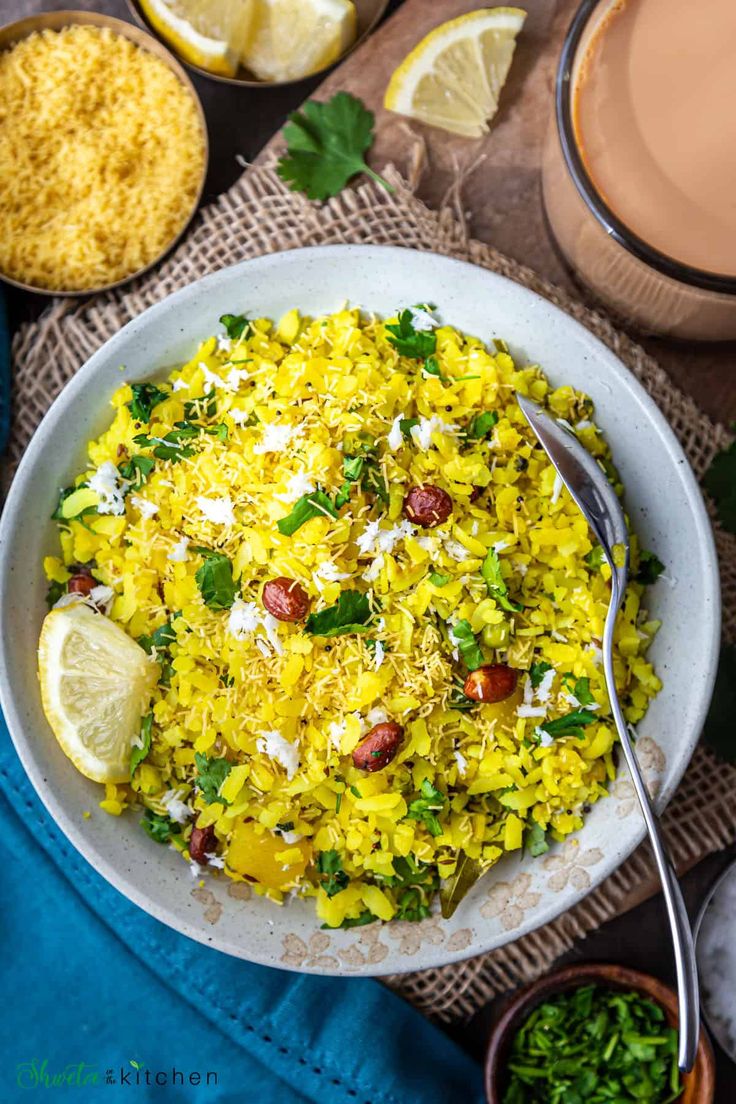
Poha is already one of Mumbai’s most beloved breakfasts, and it is entirely plant-based without any effort. Rinse flattened rice until soft, drain, and set aside. In a pan, heat oil, add mustard seeds, curry leaves, green chilli, and finely chopped onion. Add peas, turmeric, salt, and the poha. Toss gently, finish with lemon juice, fresh coriander, and sev if you like texture.
It takes fifteen minutes, and if you are growing curry leaves and coriander on your balcony, this is exactly the kind of recipe that makes that effort feel very satisfying. I wrote about starting a balcony herb garden in Mumbai, and both of these ingredients are genuinely easy to grow at home.
4. Rajma
Rajma is comfort food at its most honest. Kidney beans slow-cooked in a thick tomato onion gravy, eaten with rice, it is the kind of meal that does not need anything else on the table.
Soak rajma overnight and pressure cook until soft, or use canned kidney beans for a faster version. The base is the same as most Indian gravies, onions cooked low and slow until golden, ginger garlic paste, tomatoes, and spices. Add the cooked rajma, adjust the consistency with the cooking water, and simmer until the gravy thickens and coats the beans. A good rajma needs time more than technique.
5. Banana Oat Pancakes

For beginners who want a plant-based breakfast that feels like a treat rather than a compromise, this one is worth trying. Mash two ripe bananas, mix in half a cup of rolled oats, a pinch of cinnamon, and a splash of plant milk or even regular water. Cook small portions in a non-stick pan on low heat until the edges look set, then flip carefully.
They are naturally sweet from the banana, require no flour and no eggs, and take ten minutes from start to finish. Top with sliced fruit, a drizzle of honey, or just eat them plain. My kids, who are deeply suspicious of anything that sounds healthy, ate these without complaint, which is the highest endorsement I can offer.
A Few Things That Make Plant-Based Cooking Easier
Keep your pantry stocked with the basics: lentils of different kinds, canned chickpeas and kidney beans for faster weeknight meals, a variety of whole grains, and good quality spices.
Start with one plant-based meal a day rather than overhauling everything at once. One dal lunch, one sabzi dinner, one oat breakfast. That is already a significant shift without feeling like you have given up everything you enjoy.
And if you are thinking about this as part of a broader approach to eating and feeling better, it connects naturally to the kind of self-care that is not about grand gestures but about small, consistent choices. I wrote about that in my self-care post for moms, and the food piece is genuinely part of the same conversation.
You do not have to go entirely plant-based to benefit from cooking this way more often. Even two or three meals a week built around lentils, vegetables, and whole grains will change how you feel without requiring you to become a different kind of person in the kitchen.
Start with the dal. Everything else follows.


2 Comments Add yours