
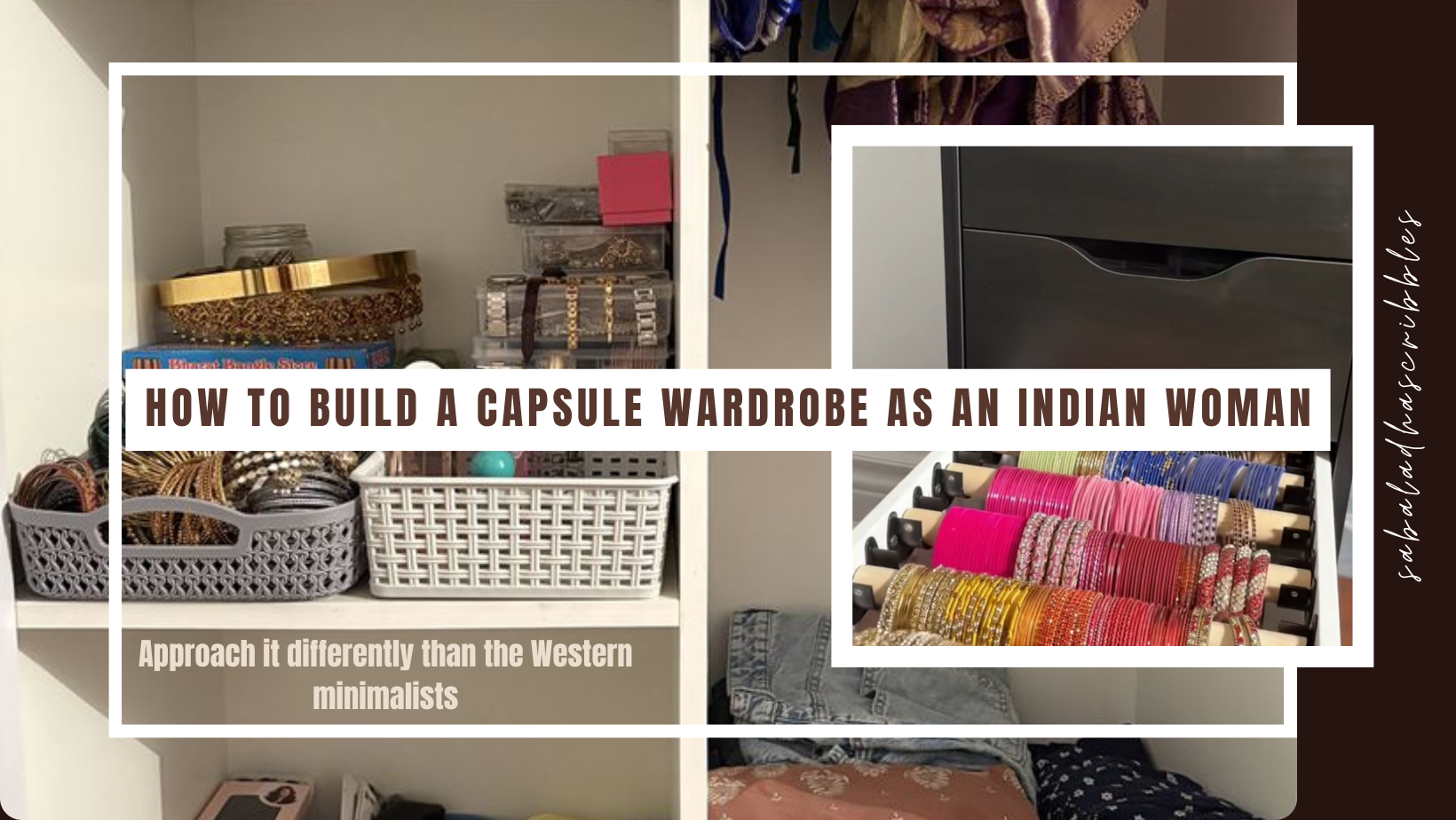
My wardrobe used to be the kind that looked full and felt empty at the same time. Forty things hanging in there, and every morning the same ten-second paralysis of standing in front of it in a towel, thinking I have nothing to wear. Sounds familiar?
The problem was not that I had too little. It was that I had too many of the wrong things. Impulse buys, sale pieces that seemed like a good idea, kurtas I wore once and somehow never again. A capsule wardrobe did not feel like something that applied to Indian women because we dress for so many different occasions, weddings, festivals, office, casual weekends, home, school runs, everything in the same week sometimes. How do you simplify that?
Turns out, you absolutely can. You just have to approach it differently than the Western minimalist guides suggest.
What a Capsule Wardrobe Actually Means
A capsule wardrobe is simply a small, intentional collection of pieces that work together in multiple combinations. The goal is to own pieces that earn their space, that you can reach for, on autopilot and look put together without thinking too hard about it.
For Indian women specifically, this means making room for both western basics and ethnic essentials, because our lives genuinely require both and pretending otherwise just means you end up with a capsule wardrobe you cannot actually live in.
Start With Your Actual Life, Not an Aspirational One
Before you buy a single thing or declutter a single kurta, spend a week noticing what you actually reach for. Not what you think you should wear. What you actually wear.
If you work from home, your wardrobe looks different from someone commuting five days a week. If you have young children, you need clothes that survive a day of actual movement. If your social life involves more family functions than evenings out, your ethnic collection matters far more than a blazer.
Build your capsule for your real life.
The Western Basics Every Indian Woman Needs
These are the pieces that do the quiet heavy lifting and go with almost everything else in your wardrobe.

- A well-fitted white shirt (tucked into trousers for a meeting and untucked over jeans on a Saturday)
- Dark, well-fitting jeans, one pair, the right pair
- A solid neutral tee in two or three colours, black, white, and maybe an earthy tone like beige or olive
- A tailored pair of trousers in a neutral, navy, charcoal or black
- One good blazer that can dress up a kurta just as easily as it dresses up a shirt
- A simple midi dress or shift dress in a fabric that does not require ironing after five minutes of sitting
That is genuinely enough of a Western base to cover most situations.
The Ethnic Pieces That Belong in a Capsule Wardrobe
This is where Indian capsule wardrobes diverge from every Western guide, and rightly so. You do not need to minimise your ethnic wardrobe. You need to curate it.

- Three to four solid or subtly printed kurtas with the same set of bottoms, churidars, palazzos, or straight pants
- A versatile silk or silk blend saree in a colour you can wear to both a casual function and a formal one
- One good anarkali or kurta set for weddings and festive occasions
- A few dupattas in varying textures, because a dupatta does more wardrobe work than it gets credit for
The ethnic pieces in a capsule wardrobe are not your statement pieces or your wedding wear. Those are separate. These are the everyday ethnic pieces that make getting dressed on a Tuesday morning feel easy.
Fabrics That Make Sense in India
This is the part most capsule wardrobe guides skip because they are not written for Indian climates. Cotton is your foundation, breathable, washable, and appropriate for most of the year. Linen is excellent but needs ironing, which is either fine or not, depending on your lifestyle. Khadi is worth investing in if you find the right pieces; it gets better with wear and fits the slow, intentional philosophy of capsule dressing naturally.
Avoid fabrics that are high maintenance unless you genuinely have the time and interest to maintain them.
The Role of Colour
Neutrals do most of the work in a capsule wardrobe because they go with everything. But neutrals for Indian skin tones are different from what Western style guides suggest. Whites and off-whites, deep navies, warm browns, olive greens, and dusty pinks tend to work beautifully across most complexions. The goal is a palette where everything in your wardrobe can technically sit next to everything else.
This does not mean you cannot have colour. It means your statement colours live in the accessories and the dupatta, not in every piece of clothing.
Accessories Do the Heavy Lifting
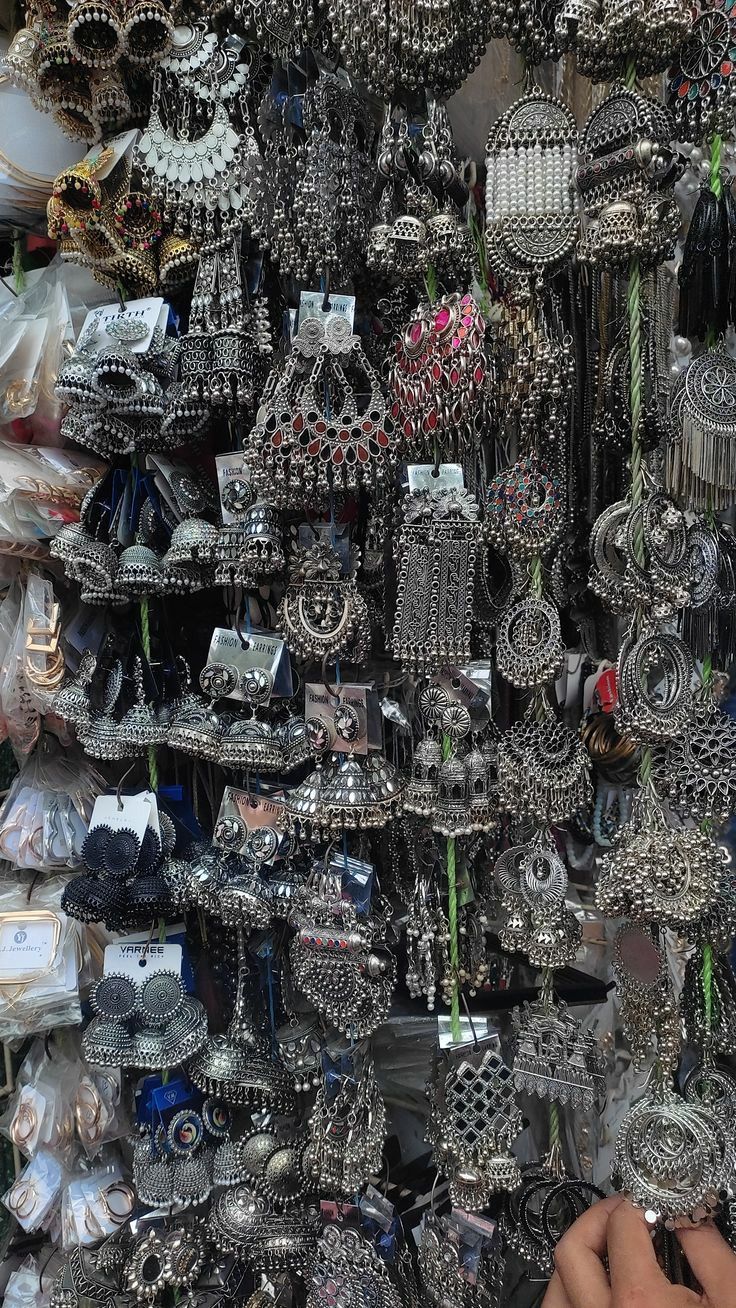
A simple jhumka changes an outfit. A structured bag makes a kurta look intentional. A good pair of kolhapuris works with jeans, with an anarkali and with a casual saree. Invest in accessories thoughtfully because they are what allow the same ten pieces to look like twenty different outfits.
This is also where self-care intersects with how you dress in a way that is easy to underestimate. When you have a wardrobe you feel good in, getting dressed in the morning becomes one less decision, draining your energy. A capsule wardrobe, at its core, is a form of making your own life a little bit easier, and that, for a woman managing a full household and everything else, matters more than it sounds.
What to Let Go Of
Anything you have not worn in twelve months. Sale pieces that were never quite right but felt like too good a deal to pass up. Duplicates of the same thing in slightly different colours when you only ever reach for one of them. Clothes that fit the person you were three years ago, but not the life you actually have now.
Letting go is the hardest part of building a capsule wardrobe. But the lightness on the other side of a genuinely edited cupboard is worth it. It sounds like a small domestic thing. It does not feel small.
Start with one section of your wardrobe this weekend. Just one. See how it feels. The rest follows naturally once you have a sense of what enough actually looks like.

 Saba scribbles
4 Comments Add yours