
The first time I draped a saree entirely on my own, I used eleven safety pins, was twenty minutes late, and one pleat came undone at the exact wrong moment. If you know, you know.
The saree is one of those things that looks effortless on everyone else and completely uncooperative when you are trying to figure it out for the first time. But once you understand a few basics, it genuinely does get easier. And more importantly, it starts to feel like yours.
Here is where to begin.
Start With the Right Fabric
This is the step most beginners skip and then immediately regret. Not all sarees drape the same way, and some fabrics are significantly harder to manage when you are still learning.
For beginners, start with:
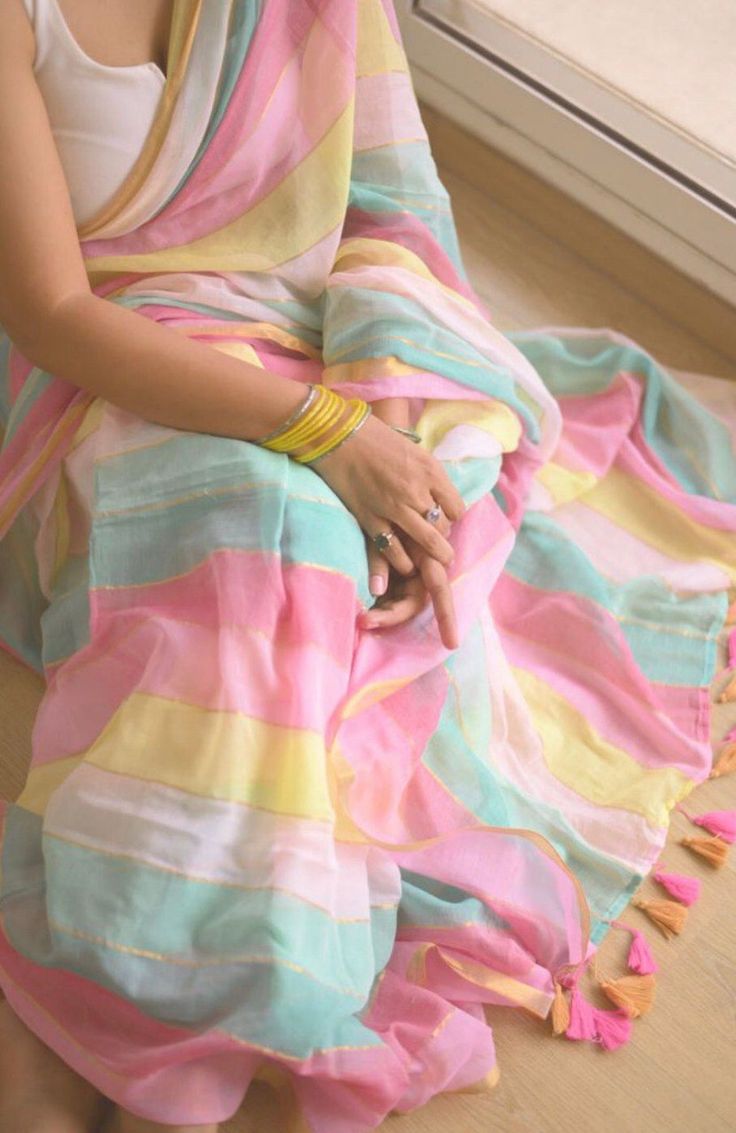
- Cotton: forgiving, holds pleats well, easy to manage
- Georgette: lightweight, flows beautifully, slightly more forgiving than silk
- Chiffon: soft and elegant, but needs more pinning, so slightly trickier
Avoid pure silk for your first few attempts. It is stunning but slippery, and fighting a silk saree while trying to get your pleats right is not a fun introduction to the garment.
The Basics of Draping: Nivi Style
The Nivi drape is what most people mean when they picture a statement saree. It is the most common, the most versatile, and the best starting point for beginners.
- Tuck the plain end of the saree into your petticoat at the navel and wrap once around your body
- Make five to seven neat pleats roughly five inches wide, fan them slightly, and tuck them just left of your navel, pointing them slightly left
- Pin the pleats to the petticoat so they stay in place
- Take the remaining fabric, the pallu, and bring it around your back and over your left shoulder
- Let it fall naturally or pin it to your blouse at the shoulder
The petticoat is doing most of the holding work here, so tie it firmly at your actual waist, not your hips. This one thing changes everything about how the saree sits and holds.
The Blouse Does More Work Than You Think
A well-fitted blouse is half the styling equation. Too tight and it pulls everything; too loose and the whole look feels unfinished. Get your blouses stitched properly rather than relying on ready-made options, especially as a beginner, because a good fit gives you confidence even before the saree goes on.
For styling, a contrasting blouse is the easiest way to make a simple saree look intentional. A plain cotton saree in a deep colour paired with a printed or embroidered blouse, or vice versa, reads as put together without any extra effort.
Accessories: Keep It Proportional
The saree already makes a statement. Your accessories should support it, not compete.
- Heavy silk or Banarasi saree: statement jewellery, classic bun
- Lightweight cotton or chiffon: smaller earrings, open hair or loose braid, minimal jewellery
- Festive or party saree: one statement piece, either earrings or a necklace, not both, going heavy

Kolhapuris or block heels work for most sarees. Very high heels are beautiful but impractical if you are still learning to manage the fabric and walk at the same time.
Modern Tweaks If You Want to Mix Things Up
Once you are comfortable with the basic drape, a few simple updates can completely change the look:
- Add a thin belt at the waist to define the silhouette and keep the pleats in place
- Layer a sheer jacket or crop blazer over the blouse for a contemporary feel. This works especially well for office or semi-formal occasions
- Try the dhoti drape where the pallu is brought between the legs and tucked at the back, great for sangeets and more relaxed events
These are not complicated. They are just small choices that make the saree feel current without losing what makes it so beautiful in the first place.

A Few Things That Actually Help
Iron the saree before draping. Crisp fabric makes neat pleats significantly easier. Have your safety pins ready and nearby, not in another room. Practice at home before the actual occasion, even once. And if the first attempt is imperfect, pin what needs pinning and go anyway.
The saree is part of a much wider conversation about dressing intentionally as an Indian woman, something I have written about in my capsule wardrobe post, too. The principle is the same: know what works for your life, buy with intention, and wear things that make you feel like yourself.
The saree will get easier. And then one day it will feel completely natural, and you will wonder why you were ever intimidated by six yards of fabric in the first place.
FAQ Section
Which saree is easiest for a beginner to drape?
Cotton, hands down. It holds pleats without a fight and forgives uneven tucking far better than silk or chiffon ever will.
How many safety pins do I actually need?
Three is usually enough once you know what you’re doing. I used eleven on my first attempt, so anywhere between three and eleven is apparently the human range.
Where should the petticoat sit for the saree to stay in place?
At your actual waist, not your hips. This single adjustment fixes more draping problems than any tutorial trick.
How long does it take to learn saree draping?
Most people get comfortable within four or five attempts. The first one always takes longest; mine took twenty extra minutes and a small crisis.
Can I drape a saree without help?
Yes, the Nivi drape is specifically designed to be manageable solo once you understand the pleating and pallu steps.
What shoes work best with a saree if I am still learning to walk in it?
Kolhapuris or block heels. Save the very high heels for once you have a few drapes under your belt.


2 Comments Add yours