

Most accessory guides assume your wardrobe is one thing. All western, all ethnic, all runway trend pieces bought fresh this season. Mine is jeans on Monday, a kurta on Wednesday, and a saree by the weekend, and my jewellery box has to work across all three without me buying something new every time the outfit changes.
If your wardrobe looks anything like that, here is how to actually style accessories across it, using what you likely already own.
1. Start With the Outfit’s Personality
Before you reach for anything, ask what the outfit is already saying. A plain cotton kurta is quiet and wants one thing to speak for it. A printed western top is already busy and wants restraint. Matching the energy of the outfit, rather than adding accessories because you like them individually, is the single biggest shift that makes styling look intentional instead of random.
Loud outfit, quiet accessories. Quiet outfit, one accessory allowed to be loud.
2. One Piece That Works Across Everything
You do not need fifteen accessories. You need two or three that quietly do all the work.
- A pair of gold or oxidised silver jhumkas that work with both a kurta and a fitted western top
- A slim belt that can cinch a kurta at the waist and define a dress silhouette, the next
- A structured sling bag in a neutral colour for prints or plain fabrics
- Bangles in a metal tone that matches most of your existing jewellery

Build around these two or three pieces before adding anything trend-led. They will outlast whatever is popular this season and save you from the never-ending cycle of accessory shopping. Similarly, my post on a capsule wardrobe focuses perfectly on minimising and intentionalizing clothes without owning 100 pieces.
3. Accessorising Western Outfits With an Ethnic Touch
This is where a lot of Indian wardrobes get interesting and where most Western-style guides simply have nothing useful to say. A plain western dress or a basic jeans and shirt combination instantly gets more personality with one ethnic accessory added in, a juttis instead of sneakers, a small bindi for evening wear, or a single statement jhumka.
The trick is restraint. One ethnic element against an otherwise Western outfit reads as intentional. Two or three at once start to look like a costume rather than a styling choice.
4. Accessorising Ethnic Outfits Without Overdoing It
Ethnic wear already carries embroidery, print, and colour, so it needs far less help than people think. A saree with heavy work on the border needs nothing more than simple studs and bangles. A plain cotton saree, on the other hand, is exactly where a statement neckpiece or a bold pair of earrings earns its place.
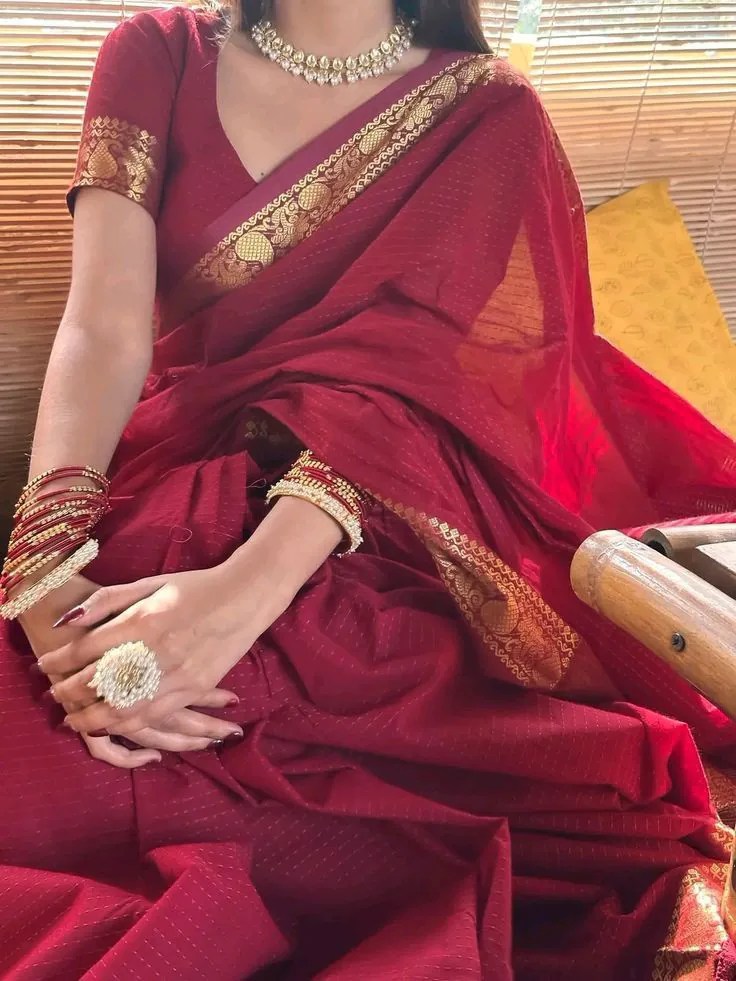
The same rule from earlier applies here too: if the outfit is already busy, let the accessories go quiet.
5. Accessorising for Real Days, Not Just Occasions
Most styling advice online is written for an event that photographs well. Real life is mostly not that. It is school drop-off, work calls, and errands squeezed into whatever time is left. For actual daily wear, the goal is speed, not drama.
Keep one small tray or pouch with your two or three go-to pieces already picked out, so getting dressed does not turn into a ten-minute decision every morning. My post on sling bags and different ways to style them talks in detail about different bags and how to look intentional with minimal effort. This is less about styling perfection and more about having something that looks put together without any real effort on a day that has none to spare.
FAQ
How many accessories should I wear with one outfit?
One statement piece and one or two supporting pieces are usually enough. If your eye cannot immediately tell what the focal point is, you likely have too many accessories.
Can the same jewellery work for both Western and ethnic outfits?
Yes, if you choose a few versatile pieces like jhumkas, a slim belt, and a neutral bag in metal tones and colours that repeat across your wardrobe, rather than buying separate accessories for each style.

What is the easiest way to accessorise a plain outfit?
Add one accessory with genuine presence, a statement necklace, bold earrings, or a structured bag, and keep everything else minimal so that one piece can actually be seen.
How do I accessorise on a tight budget?
Focus your spend on two or three versatile basics rather than several trend pieces.
Accessorising a wardrobe that moves between jeans and sarees was never going to follow a single style guide built for one or the other. Build around a few pieces that genuinely earn their place across your whole week, and the rest of it gets a lot easier from there.


