
Every screen time guide I have read assumes a fairly simple household. One or two kids, a fixed school schedule, a clean line between homework and free time. Nobody has met my house. Between coaching classes that run into the evening, a WiFi router the whole family fights over, and exam season swallowing every other rule we have ever made, the neat two-hour limit everyone recommends online has never once survived contact with our actual week.
If you are parenting a teenager in India, here is what has genuinely worked, adjusted for the version of screen time that includes online tuition, group study calls that turn into gaming sessions, and grandparents who think the whole conversation is unnecessary. It is very much in the same spirit as my mom of four life hacks post, less about getting it perfect and more about finding what actually holds up in a real house.
Stop Chasing a Number
The two-hour rule sounds clean until you remember your teenager might spend ninety minutes of that on an online doubt-clearing session for chemistry, which is, technically, still a screen. The number was never the useful part. What actually matters is what the screen is replacing. A late-night reel scroll and a video call with a coaching classmate discussing tomorrow’s test look identical on a screen time report and mean completely different things.
If sleep, meals, or actual homework are being pushed out, that is the real problem, regardless of what the clock says.
Separate Coaching Screens From Recreational Screens
This is the one piece almost no international guide accounts for, because most households outside India are not built around coaching class schedules that eat up two to three hours of the evening. In our house, the line is not screens versus no screens; it is coaching and schoolwork screens versus everything else.
Recreational screen time only starts after schoolwork and coaching-related screen time is done, and it gets its own separate, smaller window. This way, study time and relaxation time stay separate, and neither one eats into the other.

Make the Rules Together
Teenagers who help set a rule are far more likely to actually follow it than teenagers handed one. Sit down and build an agreement together, covering when screens are allowed, which apps matter to them and why, and where phones sleep at night. My eldest negotiated an extra half hour on weekends in exchange for keeping the phone out of her room after ten, and that trade has held for months in a way that a rule I announced never did.
This does not mean the teenager runs the negotiation. The same approach carries over well into other teenage habits, too. My teen skincare routine post leans on a similar collaborative starting point.
Protect Sleep Above Everything Else
If I had to keep exactly one rule and let every other one go, it would be this. No phones in the bedroom overnight. This single boundary does more for mood, focus, and actual functioning the next day than any other rule in the house, and it is the one hill worth planting a flag on even when every other rule gets negotiated or relaxed.
Charge phones outside the bedroom, every night, no exceptions for exam stress or a friend’s urgent message. The urgent message can wait until morning almost every single time.
Account for the Seasons That Break Every Rule
Board exam months are not the same as regular school months, and pretending otherwise just creates a rule everyone quietly ignores. During exam season, screens for study-related purposes expand, and recreational screens shrink accordingly, by agreement, not by ambush.
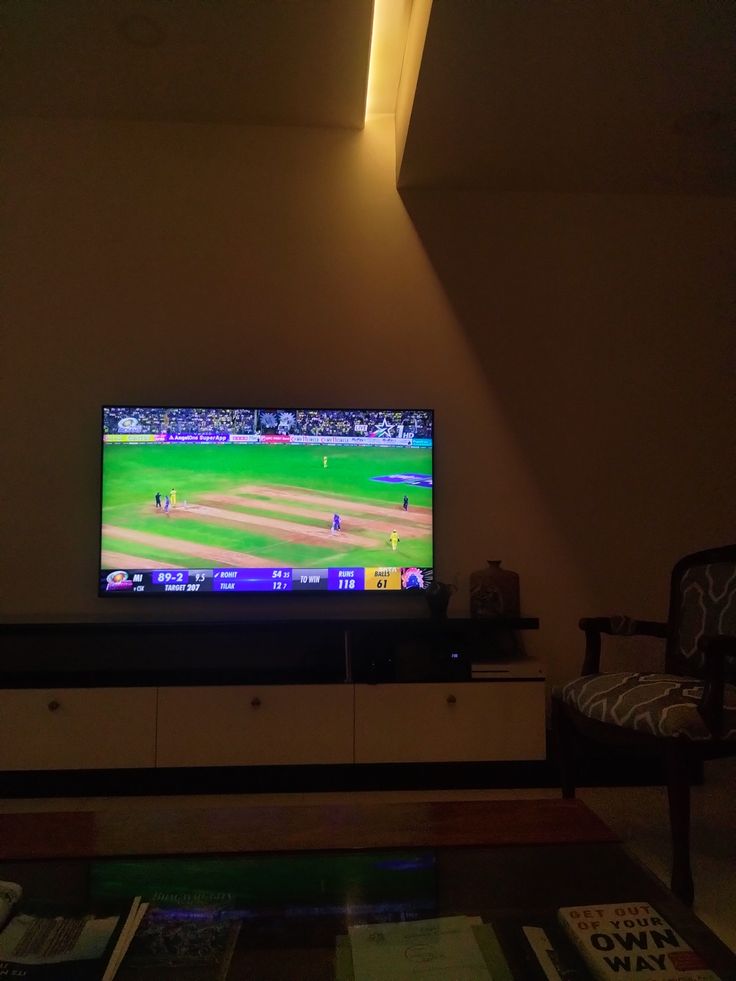
The same goes the other way during festivals, IPL season, or school holidays, when relaxing the recreational limit a little is reasonable, as long as sleep and family time stay protected. A rule that never bends for real life eventually gets broken instead of adjusted. Monsoon weeks in particular tend to push screen time up simply because there is less to do outdoors, which is exactly why I put together a monsoon home games post, so recreational time still has somewhere useful to go.
Watch Behaviour, Not the Screen Time Report
The actual warning signs are not numerical. Resistance to putting the phone down, irritability the moment it is taken away, screens replacing sleep or in-person time with friends, these matter far more than whether today’s total was two hours or three. A teenager glued to a video call with three close friends for two hours is in a very different place than a teenager alone in a room scrolling for the same two hours.
Check in on this regularly and casually, not as an interrogation. Ask what they watched, who they spoke to, and what game they are into right now. The conversation matters more than the monitoring.
FAQ
How much recreational screen time should an Indian teenager get on a school day?
There is no single number that works across every household, but keeping recreational screen time to roughly one and a half to two hours on school days, after coaching and homework are done, is a reasonable starting point.
Should coaching class and online tuition screen time count toward the daily limit?
No, treat study-related and coaching-related screens separately from recreational screens, since combining them punishes genuinely productive screen use and makes the whole rule feel unfair to a teenager.

How do I handle screen time rules during board exam season?
Adjust the rule openly rather than ignoring it. Expand study-related screen use, shrink recreational use, and agree on this shift together before exam season starts, so it feels like a plan rather than a punishment.
What is the single most important screen time rule for teenagers?
Keeping phones out of the bedroom overnight protects sleep more than any other single rule, and is worth holding firm on even when other rules flex.
Screen time rules for teenagers were never going to be one size fits all, and they definitely were not written with a household running on coaching schedules, joint family opinions, and exam season chaos in mind. Build a set of rules for the actual week you are living, not the tidy one in the guides, and expect to keep adjusting it as your teenager and your household keep changing too.


