
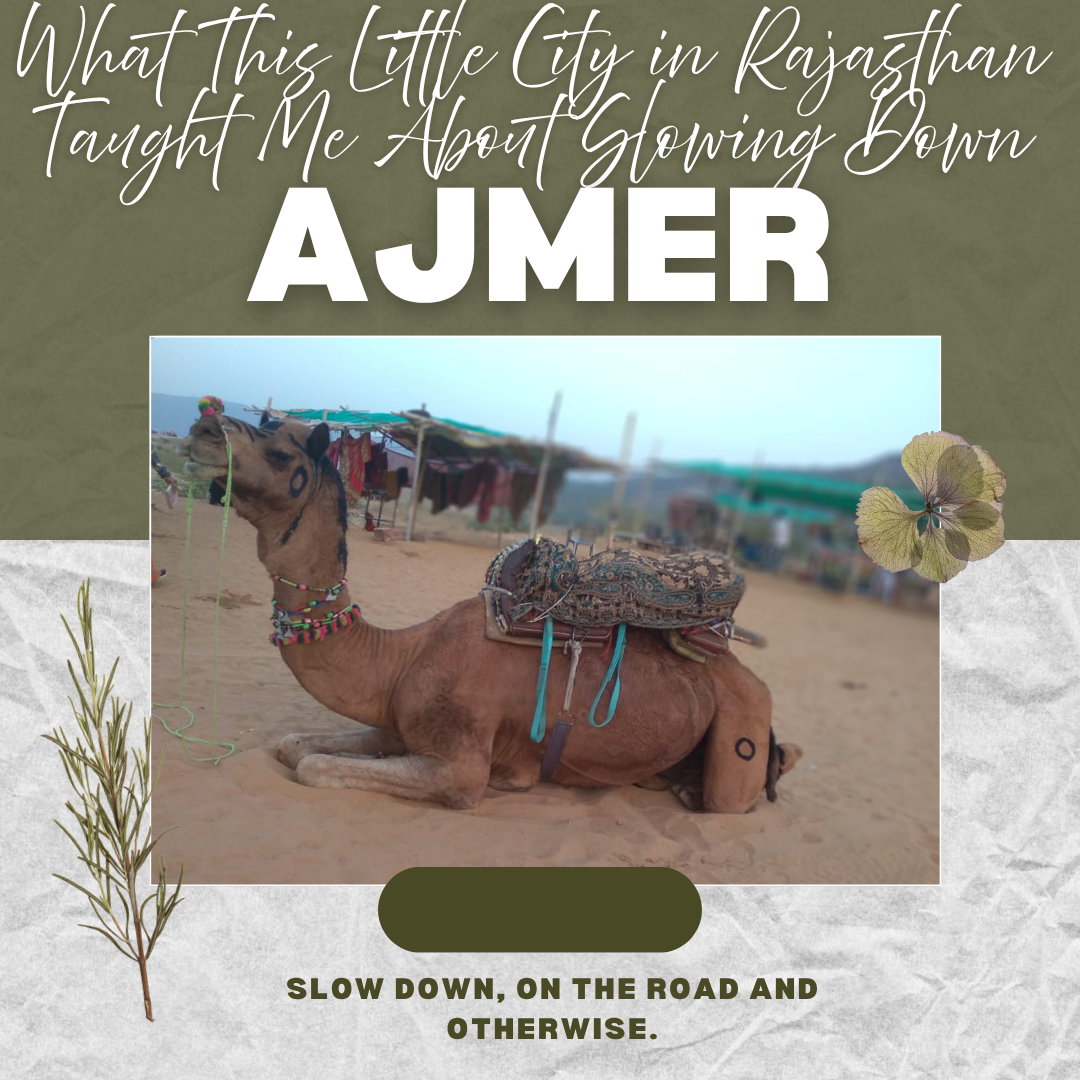
There are trips you plan for months, and then there are trips that just happen because someone in the family says, “Let’s just go,” and before you know it, you are packing bags at midnight. Our Ajmer trip was somewhere in between. I remember it being a long drive from Mumbai, the kind where the kids ask “Are we there yet?” roughly every forty minutes, but the moment we entered Rajasthan, something about the landscape changed. The air felt drier, the roads got dustier, and there was a certain calm that I still associate with that stretch of the journey.
Ajmer is not a city that shouts for your attention. It does not have the grandeur of Jaipur or the lake views of Udaipur that usually dominate everyone’s Rajasthan itinerary. What it has instead is something quieter and honestly more moving, a sense of devotion that sits in every corner of the city.
The heart of Ajmer is its Dargah
At the centre of it all is the Ajmer Sharif Dargah, the shrine of the Sufi saint Khwaja Moinuddin Chishti. This is not just a tourist spot; it is a living, breathing place of faith visited by people of every religion. What struck me most as a mother walking through those narrow lanes with my kids was how naturally everyone belonged there. Hindus, Muslims, Sikhs, all standing together, all praying in their own way. If you want to teach your children what coexistence actually looks like instead of just talking about it, this is the place to bring them.
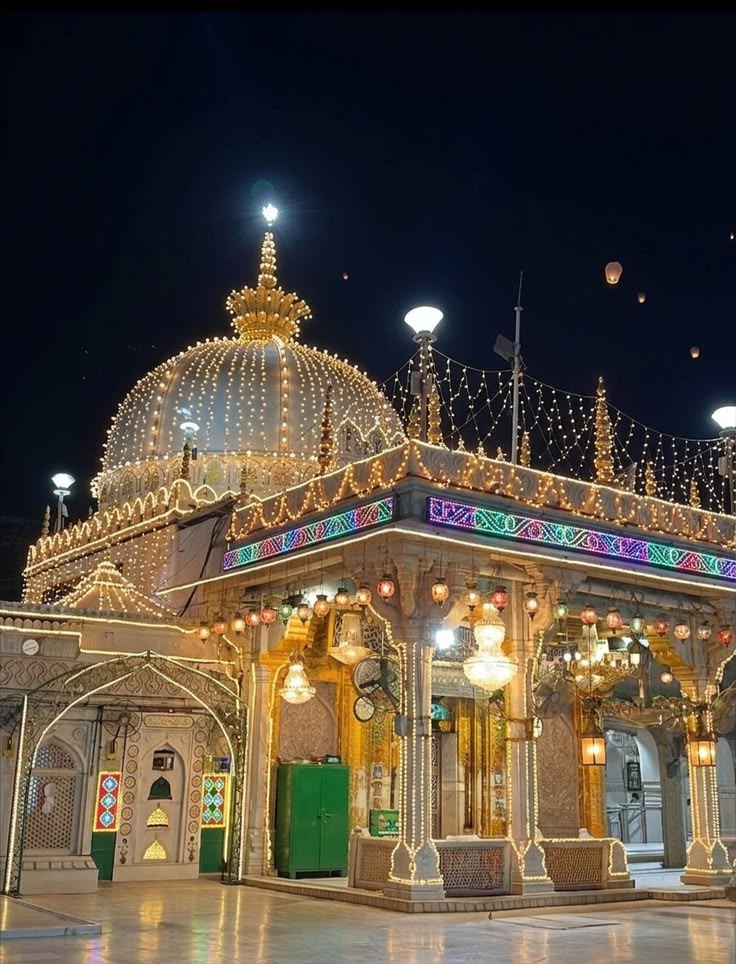
The walk to the main shrine takes you through a small market glittering with attar bottles, chadars, and sweets, and honestly, that walk is half the experience. Keep some cash handy; the kids will want to buy something shiny.
Beyond the Dargah, a city layered with history
Ajmer has this quiet way of revealing its Mughal and Rajput past if you are willing to look. The Adhai Din ka Jhonpra, a mosque that was originally a Sanskrit college, sits close to the Dargah, and its architecture tells its own story of how empires changed hands here. Taragarh Fort, perched on a hill overlooking the city, is one of the oldest hill forts in India and gives you a proper workout if you decide to climb up, worth it for the view alone.
If your family enjoys a slower evening, Ana Sagar Lake is the spot.
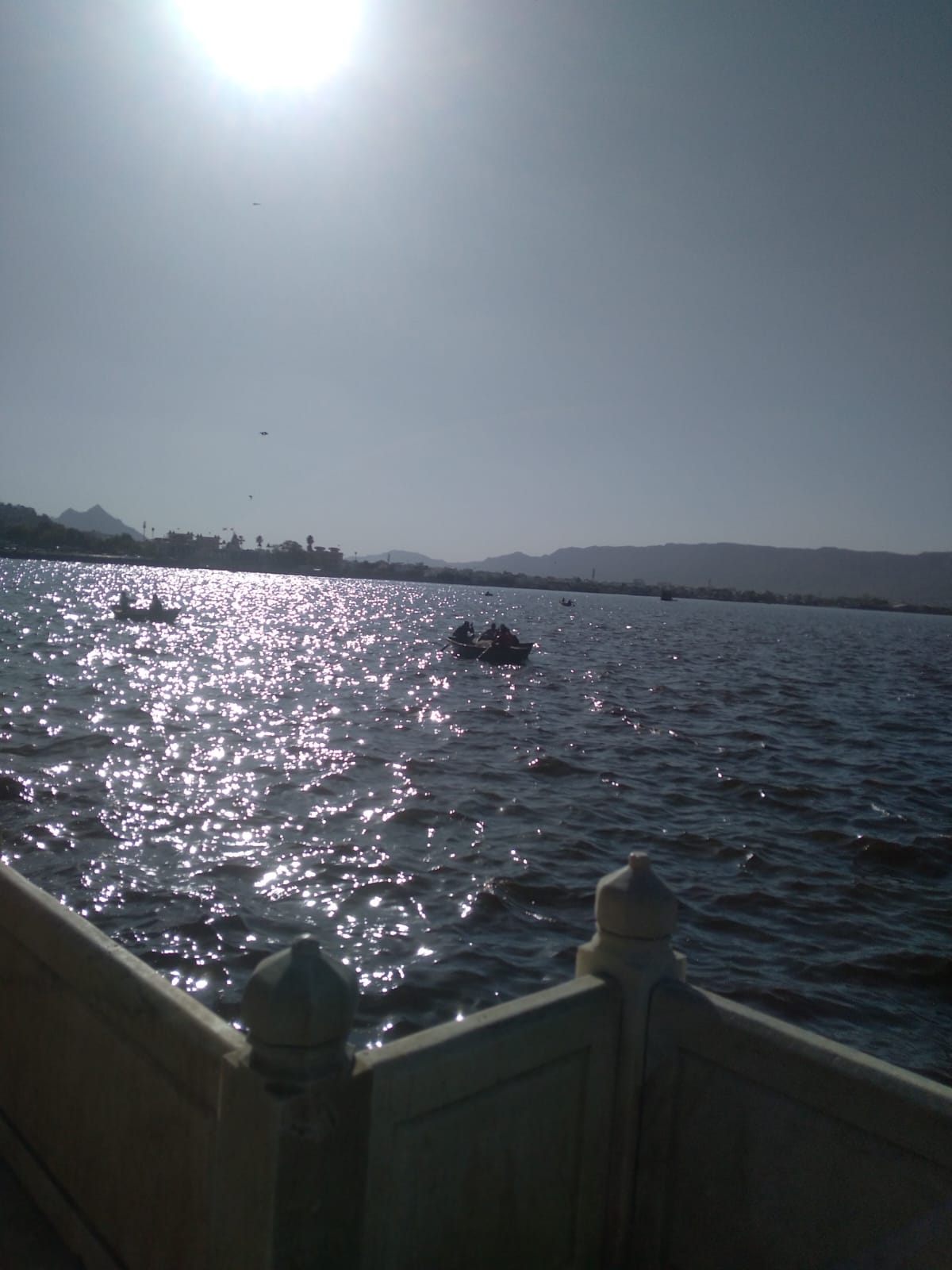
Locals gather here at sunset; there are paddle boats for the kids, and the gardens around it, called Daulat Bagh, are pleasant for a walk, once the heat settles.
A short drive to Pushkar, and a completely different energy
No trip to Ajmer feels complete without the fifteen-kilometre hop to Pushkar. It is almost unfair how different the energy is here compared to Ajmer. Pushkar is colourful, a little chaotic, full of cafes, silver jewellery stalls, and the famous lake with its fifty-two ghats. The Brahma Temple here is one of the very few in the world dedicated to Lord Brahma.
If your travel dates align with October or November, the Pushkar Camel Fair is worth building the whole trip around, though be ready for crowds.
What I actually took back from Ajmer
Beyond the sightseeing, what stayed with me was the pace. Ajmer does not rush you. There is something about a city built around a shrine that keeps a certain stillness even in its markets and its traffic. As someone who is constantly juggling client deadlines, school WhatsApp groups, and a balcony garden that needs watering, that stillness felt like a small gift.
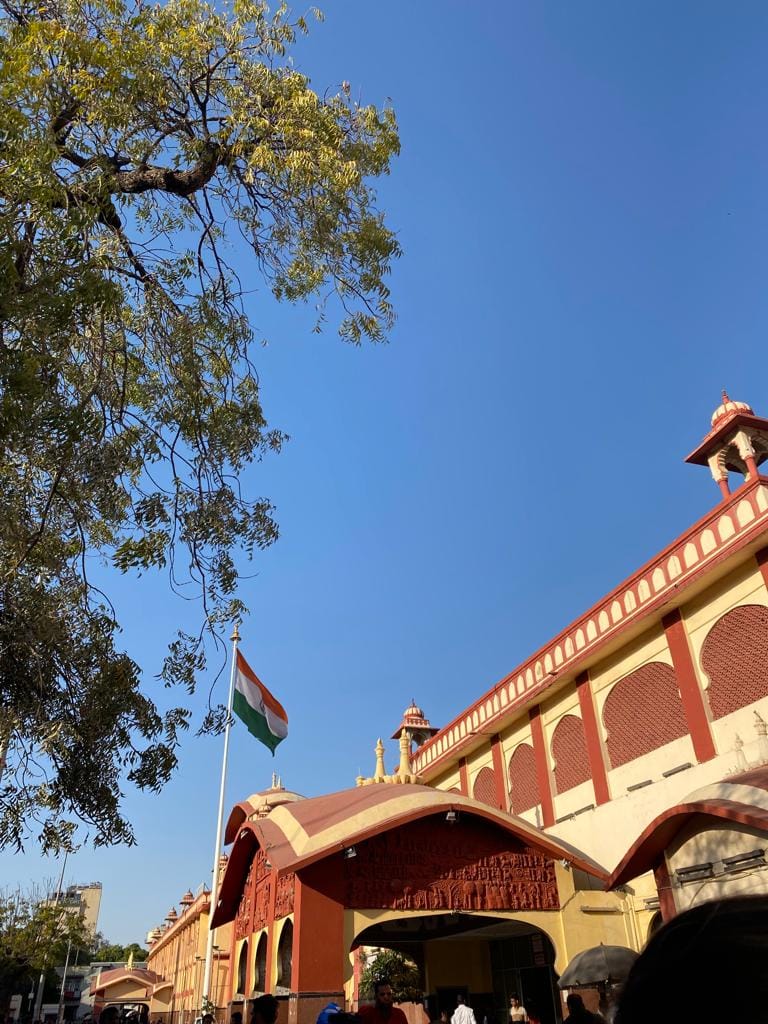
A few practical notes for families planning this trip
October to February is the best window, weather-wise. Anything after March gets brutally hot for young kids. You can try to book a package with travel agencies in case you wish for a calm and known experience. If you are driving from Mumbai, break the journey; it is a long stretch, and nobody needs cranky children in the back seat for ten hours straight. And do carry modest clothing for the Dargah visit, it is respectful and honestly more comfortable in that setting anyway.
Ajmer will probably never trend the way Udaipur or Jaipur do on Instagram, and I think that is exactly its charm. It rewards you for slowing down, something I am still learning to do, on the road and otherwise.


